
When you type Loni Willison’s name into a search engine, the first results almost always lead to the same montage: a photo of a fitness model, followed by a snapshot taken on a street in Los Angeles. This “before/after” format has dominated social media for several years.
It obscures a more complex reality, that of a woman who remains homeless not due to a lack of media visibility, but because the mechanisms that keep a person without shelter are rarely addressed in these viral contents.
Refusal of help and life on the streets: what the “before/after” format does not show
Most TikTok or Reels videos dedicated to Loni Willison stop at the visual shock. We see the physical contrast, we read “former model turned homeless,” and the content ends with sad music. The problem is that this narrative implicitly suggests that all it would take is a helping hand to reverse the situation.
Several sources report that Loni Willison declines offers of help, whether they come from friends, journalists, or social workers. She reportedly stated that she wants to manage on her own. This refusal is neither a whim nor a simple lifestyle choice: it fits into a well-documented pattern among individuals facing both mental health issues and addictions.
Here we find an angle that viral content systematically ignores. Understanding what we know about Loni Willison in 2026 requires going beyond the simple photographic contrast to examine the concrete reasons that keep a person in this situation.
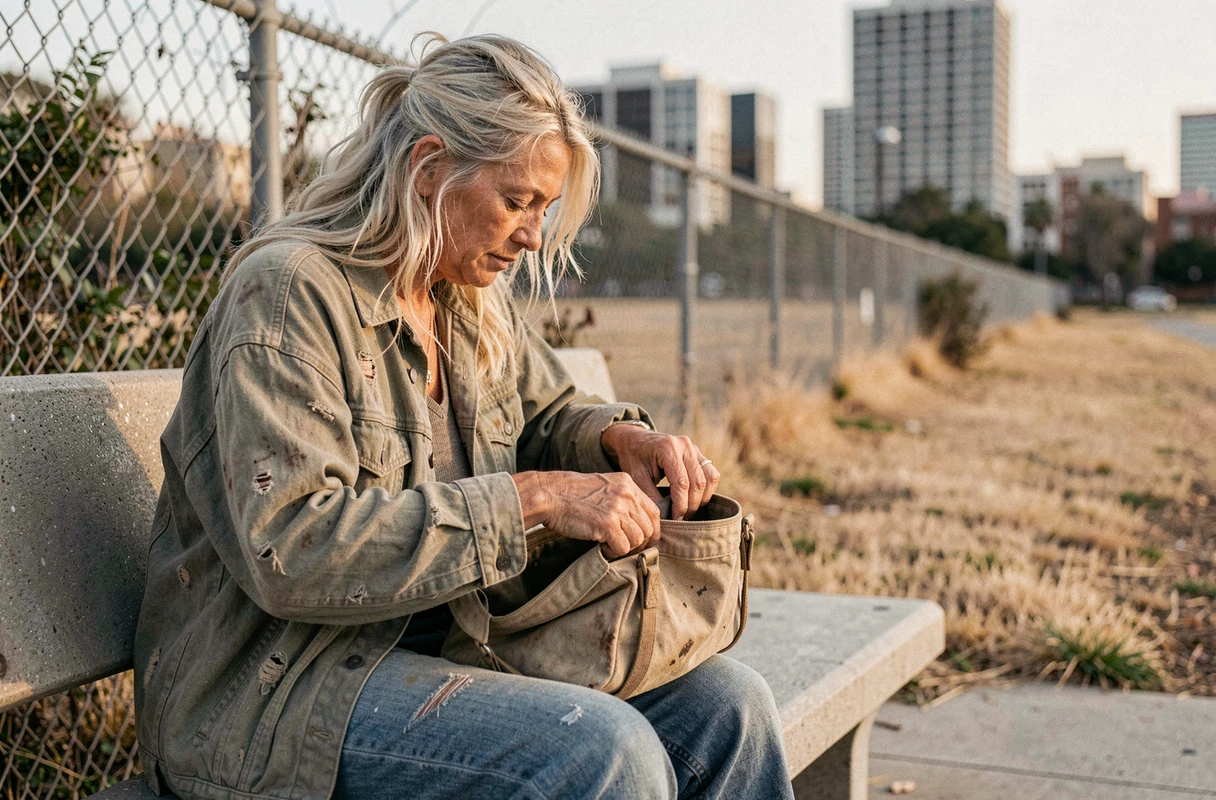
Methamphetamine addiction and solvent inhalation: the substances involved
Mainstream articles talk about “drugs” without specifying what they are. English-language sources document a methamphetamine addiction, a substance with rapid neurological and physical effects. This is not a detail: the type of product consumed determines the bodily damage, judgment capacity, and possible therapeutic options.
One element rarely mentioned in French-language content concerns inhalation of aerosol paint. Photos published by OK! Magazine show Loni Willison seemingly inhaling this type of product. The use of volatile substances causes brain damage distinct from that caused by methamphetamine, further complicating treatment.
The combination of these two types of consumption creates a particular clinical picture:
- Methamphetamine causes visible physical degradation (weight loss, skin lesions, dental damage) and permanently alters the brain’s reward circuits.
- Inhaled solvents directly attack the central nervous system, with risks of memory loss, motor disorders, and sudden heart failure.
- The combination of the two substances makes traditional withdrawal protocols less effective, as each addiction requires a specific approach.
A person who accumulates these substances gradually loses the ability to assess their own situation, which partly explains the refusal of help observed in Loni Willison.
Loni Willison’s professional background before homelessness: model and medical assistant
The media narrative focuses on her career as a fitness model and her marriage to Jeremy Jackson, an actor known for his role in Baywatch. It is often forgotten that she also worked as an assistant in a plastic surgery center in Los Angeles.
This professional activity is a useful chronological marker. The loss of this position seems to have preceded the loss of housing, indicating that the break was not sudden. We are talking about a gradual decline over several years, not a spectacular fall overnight as suggested by viral montages.
The divorce from Jeremy Jackson, involving documented domestic violence, fits into this spiral. But reducing Loni Willison’s story to “victim of an abusive husband turned homeless” simplifies a trajectory where addiction, job loss, social isolation, and lack of family support have combined.
Loni Willison’s situation in 2026
No reliable sources report in 2026 a return to stable housing, prolonged hospitalization, or a sustainable exit from homelessness. Loni Willison remains visible on the streets of Los Angeles, pushing a shopping cart, as shown by the most recent media observations.
Her situation has not changed in a documented way for several years. Reports vary on the existence of any recent attempts at social intervention, but no serious media outlet has reported effective care.
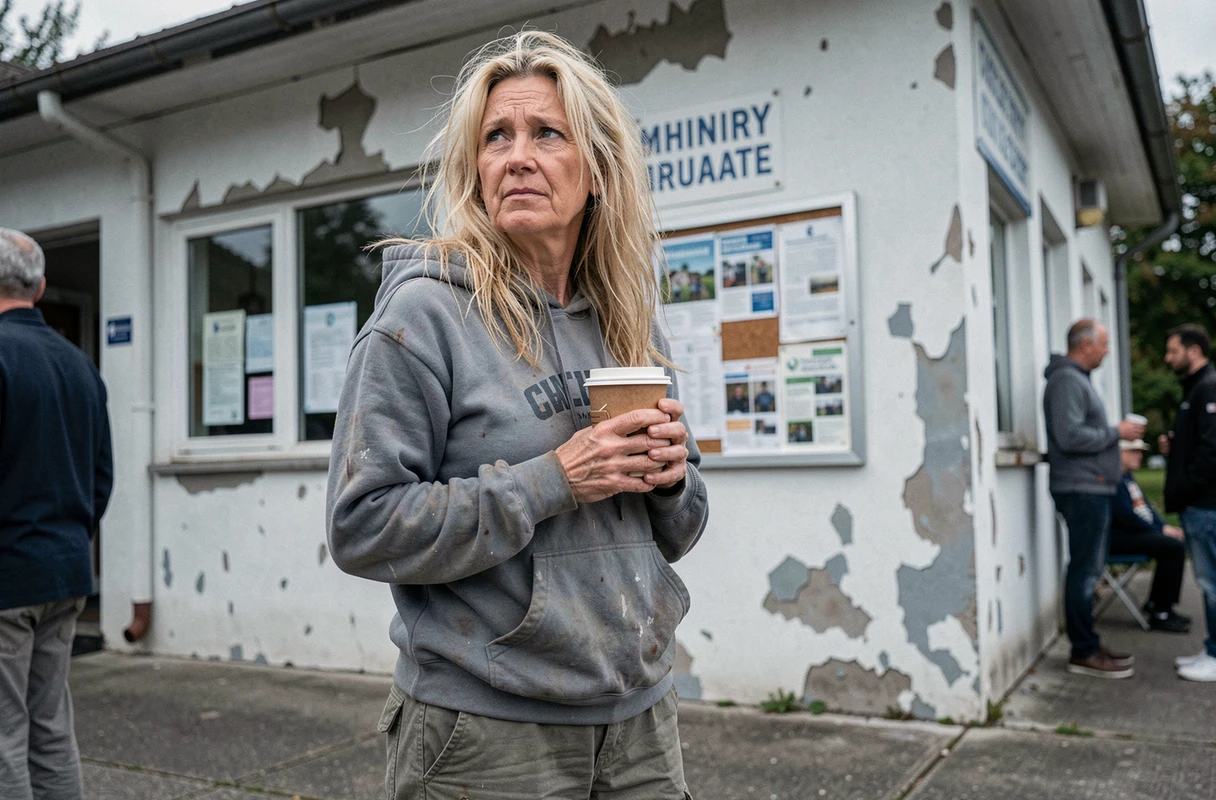
Viral exploitation and documentation: the boundary that content creators ignore
Publishing a photo of Loni Willison on the street documents a reality. Framing it between two glamorous photos with dramatic music produces entertainment from the distress of a person who has not given their consent.
The distinction matters because it determines what the public retains. Content focused on visual contrast produces fleeting emotion. Content that explains why a person remains homeless despite massive media exposure raises a structural question about the limits of social assistance in California and how addiction alters decision-making.
Creators who recycle these images for engagement purposes contribute neither to understanding the phenomenon nor to any form of help. They fuel a cycle where the person concerned becomes a fictional character, disconnected from any clinical or social reality.
Loni Willison’s journey remains in 2026 that of a woman facing multiple addictions, without effective care, in a Californian system that cannot compel an adult to accept help. As long as this dimension remains absent from the content bearing her name, we will continue to share her image without understanding her situation.